


Lee Crum


Lee Crum began shooting formal portraits of New Orleans characters in 1983 when Crum found a second floor natural light space in the old Contemporary Art Center building to use as a studio. The space was raw without heat or air conditioning, but it possessed beautiful window lighting.
Many of the first images like “Olympia Brass Band” were shot in that old studio and for Crum, it was a zeitgeist period.
With a sense of urgency, Crum would continue shooting his portrait series over the next few years as he witnessed the ending of a golden era. Many of these important figures were beginning to disappear and it became an important personal goal to capture their faces on film.
What remains is a historical collection of photographs that represent some of the most important musicians to have ever performed, recorded and contributed to the internationally recognized New Orleans music culture. Crum is working on an upcoming book of these early New Orleans portraits and limited-edition photographs are now available from this legacy project.
Lee Crum is represented by A Gallery for Fine Photography.

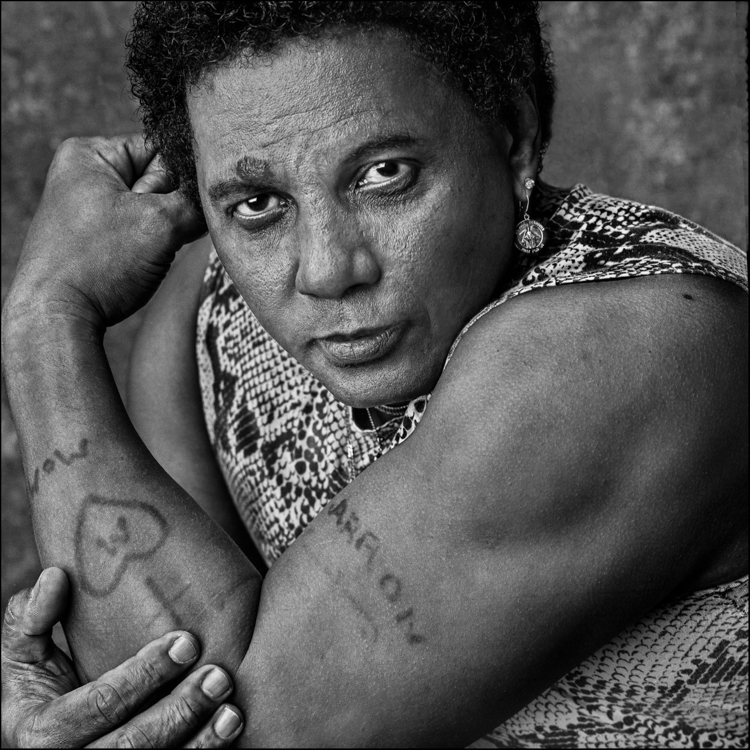
Aaron Neville
Singer Aaron Neville showing the guns back in the “Yellow Moon” days. He grew up in the Calliope projects in New Orleans where his older brother, Art, taught the 13-year-old Aaron how to do harmonies then let him sing in his band The Hawkettes. Aaron’s life story could fill a dictionary and that is no small exaggeration.
To witness the Neville Brothers playing at Tipitina’s could only be described as a religious experience as no four family members in the history of sound could be found at their altitude of groove.
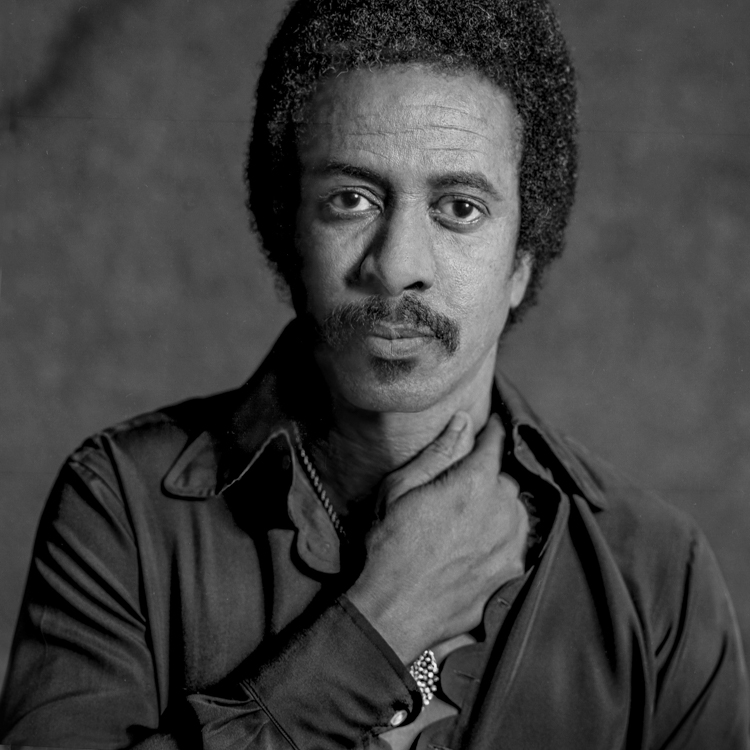
Allen Toussaint
Allen Toussaint was the crucible of New Orleans music. His imprint can be heard on hundreds of recordings including the artists Elvis Costello, Paul McCartney, Paul Simon and on and on…. Despite being a quiet person, Toussaint was hard to miss as he drove a Rolls on the streets of New Orleans trimmed with a vanity plate that either read “Piano” or “Songs” depending on the era and the Rolls. Always immaculately dressed, and often rocking one of his trademark purple silk shirts with a pinstripe suit then finished with socks and sandals, he was memorable in every way. From his starship, the legendary Sea Saint Studios, Toussaint left an indelible mark on the history of music.
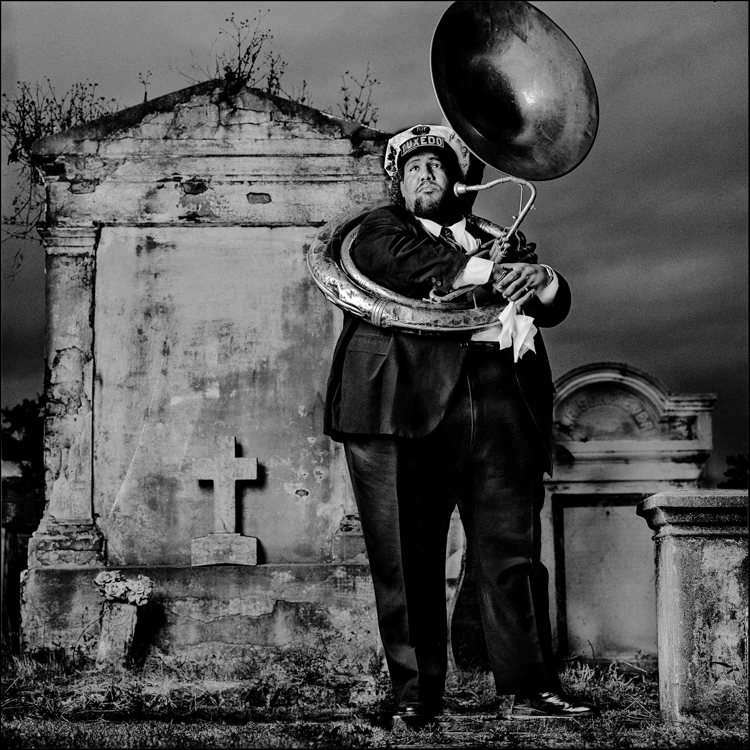
“Big Al” Carson
Big Al Carson died of a heart attack on April 26, 2020. He was one of the most beloved New Orleans musicians and entertainers. Because covid restrictions prevented large gatherings, Rhodes Funeral Home set up a drive-thru visitation over at the parlor so folks could view Big Al from the safety of their car as he lay in repose behind glass. In tribute to his lifetime of entertainment, a parade of cars filled with friends and family passed by to honk and say a final goodbye to this musical giant. Al had worked with many of the great brass bands of New Orleans and many years he worked a weekly gig on Bourbon Street at the Funky Pirate with his band The Blues Masters. Big Al was a beloved character with a constant lovable smile. He always wanted you to feel better about yourself. This is Big Al several years ago striking a pose in Lafayette Cemetery No. 1.
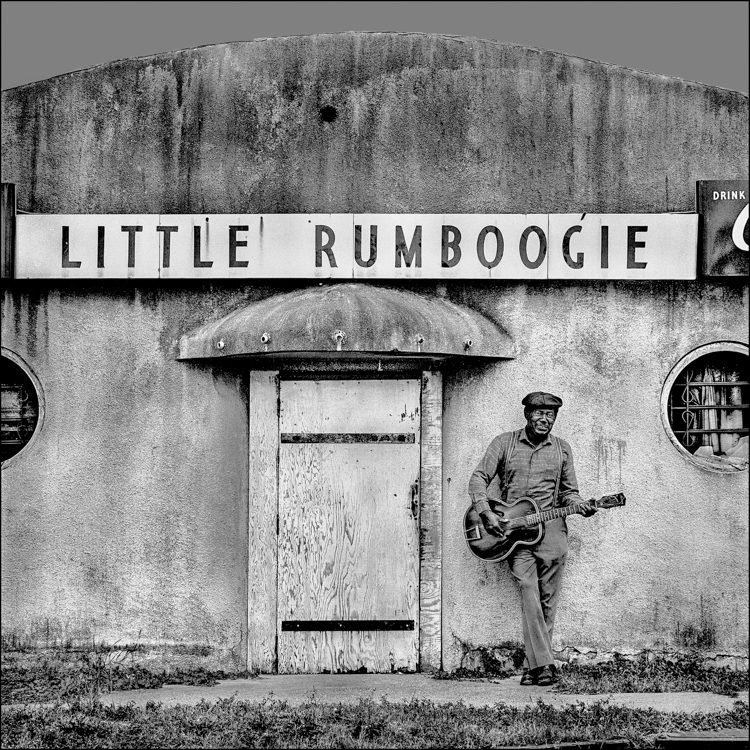
“Boogie” Bill Webb
When he was eight years old, his cousin made a guitar out of a cigar box and cobbled screen wire together to make it a two-string. Not long after “Boogie” Bill Webb got a real guitar and spent a lifetime developing his own eclectic rural country blues sound. He plays his entire life but never becomes a “professional” musician because he says, “They weren’t much money in it.” Fast forward about 50 years of living and Boogie Bill is out on his porch the day I roll up. He’s playing guitar surrounded by the lawnmower engines and parts that he has been working on. Boogie Bill is all smiles. He’s been living here in the Lower 9th Ward for years and he’s known for hosting weekend jam sessions with friends that the neighbors seem to enjoy. It’s 1989 and getting late in the game but Boogie Bill has just completed his first album, Drinkin’ and Stinkin’, and he’s ready to come out of the shadows. We are going to find a spot or two and take some pictures today. I am driving Boogie Bill around looking for a good Ninth Ward location and he’s laughing and cracking jokes like a kid that just hit the lotto. It’s about the fame he’s going to have when he rides his new recording wave back to Europe where they seem to know who he “really is.” It’s a “Eureka” moment when we find an old bar/dance hall joint that actually has his name embedded on the weathered marquis. The photo gods have spoken. A bunch of pictures are made and there’s that vibe you get on the lucky days of your life when you meet a person that makes you feel so damn grateful to have been in their presence. A few short months later the beautiful smile of a funny, warm-hearted, lawnmower-fixing guitarist aptly named “Boogie” Bill Webb is gone.
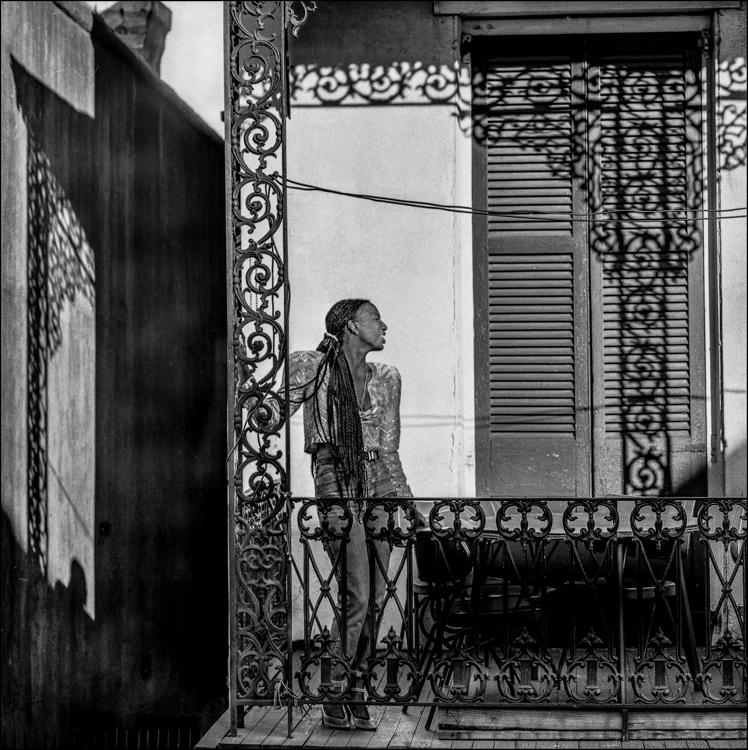
Charmaine Neville
Charmaine Neville started touring the chitlin circuit in her early teens and went on to tour the planet. Singing was in her blood. She happens to share the genetic material of music royalty. She is the daughter of Charles Neville of the Neville Brothers. Charmaine is called a jazz singer but she can deliver some hard dirty blues and funky rhythms with her dramatic range. For years her band was a staple at the intimate New Orleans jazz club Snug Harbor when she was not on the road. That’s where we started our shoot for a now defunct magazine called EGG, which was a short-lived Malcom Forbes vanity publication. Snug Harbor is a great location to shoot in and I am too familiar with the bar here. I can’t seem to get the elements to work together long enough to make a decent image so it’s on to the next spot, and luckily she’s game for anything.
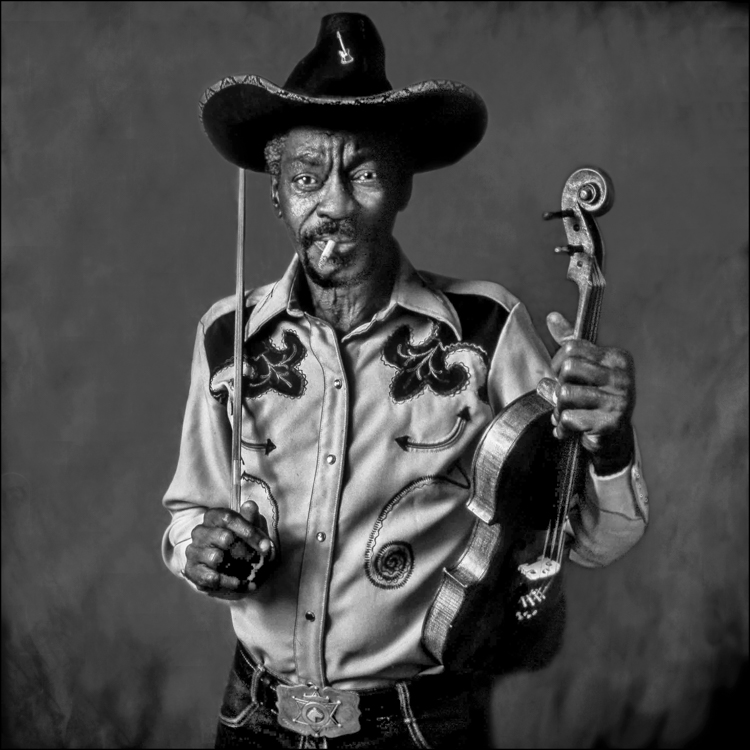
Clarence “Gatemouth” Brown
“A lot of people play music for the wrong reasons. I never played to get women, though I had my share. I didn’t do it for the money, though it pays the bills. I realized early on that I could create something that would build love within people who came out to hear it. Music is the best medicine in the world, man.” Clarence “Gatemouth” Brown was one of the greatest musicians to ever take the stage. Although he refused to be labeled as a blues, country, jazz, zydeco, or whatever genre musician (your pick), in 1983, he won the Best Traditional Blues Recording Grammy for his album “Alright Again.” Shot for Rolling Stone after Gate won his Grammy. The amazing showman, “Gatemouth” Brown was born in Vinton, LA.
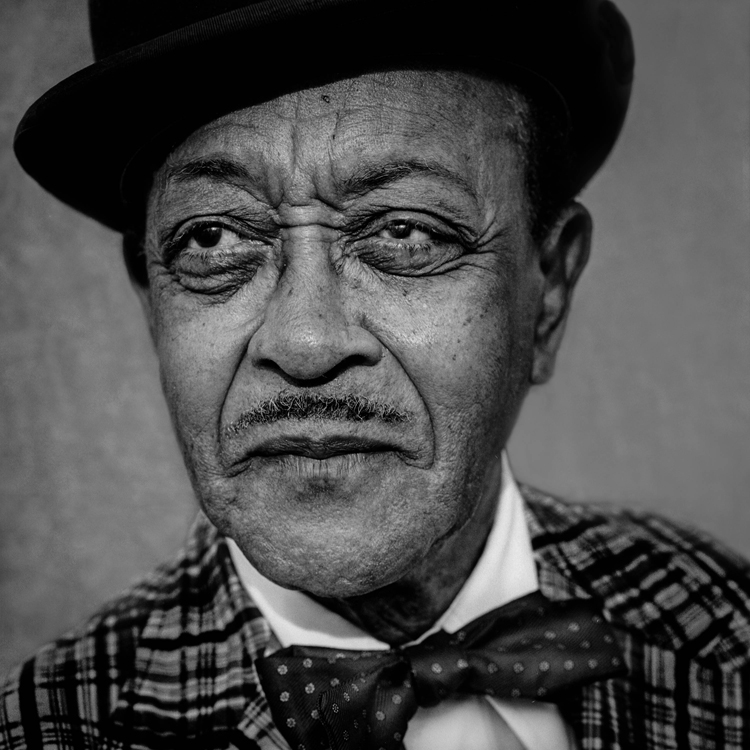
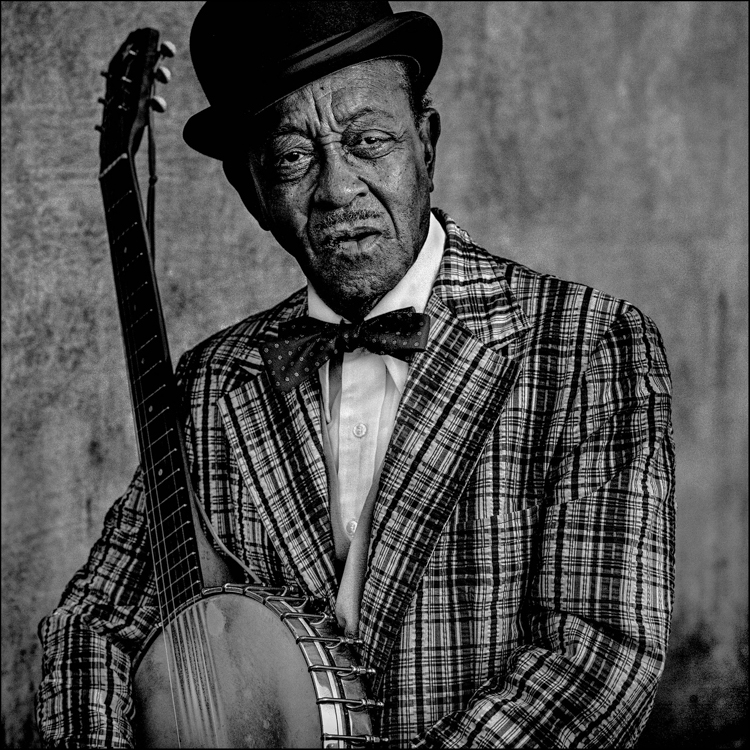
Danny Barker
Another New Orleans jazz legend. Raconteur, musician, historian, singer, teacher, curator and recording artist Danny Barker was born in 1909. Danny was born in the French Quarter to a creole family with deep musical ties to jazz and brass bands. Danny’s book “A Life in Jazz” is one of the most complete documents of early jazz history. There’s not enough space to talk about all of Danny’s accolades and escapades but he was simply one of the most intelligent and engaging characters in the history of New Orleans music. Danny and I had worked together many times over the years and I never tired of his brilliant dry witted historic tales. On this particularly beautiful day in a New Orleans cemetery, it would be the last time we worked together. Danny was in the throes of his illness and he knew his time was coming, but he showed up, like he always did, to spread the gospel of jazz and New Orleans. Danny Barker was a King.
Deacon
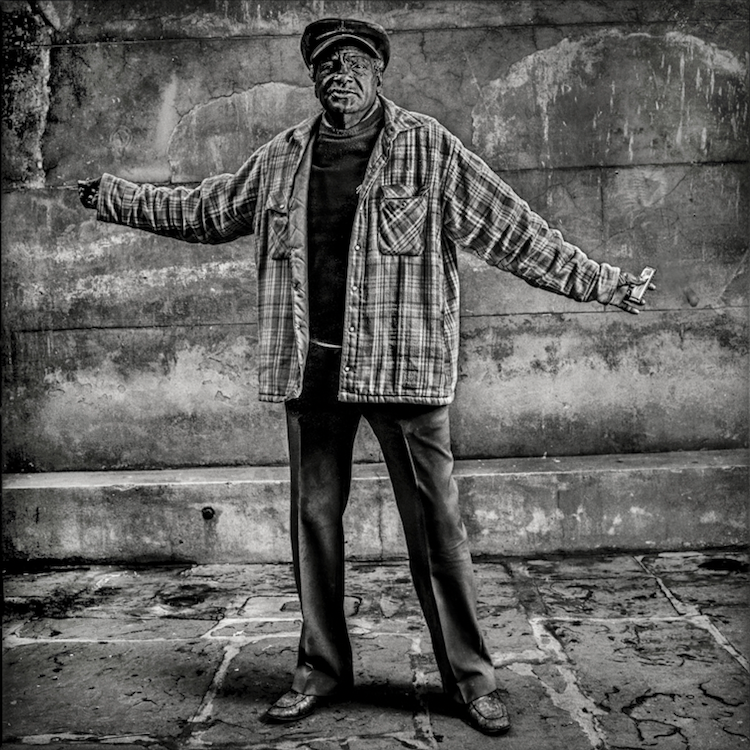
I turn the corner onto Ursuline, and he comes out of nowhere. “Hi ya doin’, Bobby?” Before I answer, the harmonica is in his mouth, and he’s playing “When the Saints Go Marching In” in a pseudo Major C style. It doesn’t matter that I am not Bobby; it’s just a name to pin on a mark, nothing personal. His name is Deacon, and he can’t play worth a damn, but he’s not looking to receive anything for free; he wants to provide a little entertainment before he asks for that dollar. It’s tough on the street if you don’t have a hustle. We talk, and Deacon tells me he is a veteran, then flashes his VA card with a shit-eating grin to let me know that he hasn’t always been homeless. We become friends over time, and I hang out with him several times while he rambles through the Quarters. Deacon took to the drink at some point in his life, and quenching his thirst has become a mainstay in his daily routine. The more liquid he consumes, the more he laughs with a full-on display of missing teeth that give his face a kind of innocence. He never asks why and really couldn’t care less that I take a lot of pictures of him on our walkabouts; he doesn’t need a photograph. One day, Deacon tells me he’s been sick, and some VA doctor told him he had cancer. Not long after he shares this news, Deacon disappears, and he won’t be back on the streets again. Now there’s not going to be another opportunity to hear him gloriously half-ass “The Saints” on a busted harmonica for a dollar. Just one more time, Deacon, play it for “Bobby”.

Dr. John
The almighty Mac Redennack was better known as Dr. John. The nite tripper was born in New Orleans in 1941. Sadly Mac passed away in 2019 before he would see the release of his final album.

Frogman Henry
In 1964 he opened for the Beatles on their first tour of America and called McCartney his “soul brother.” With his recording hit, “Ain’t Got No Home,” he earned the nickname “Frogman” and spent over 20 years playing Bourbon Street and touring. He’s slowed his performing now, but Clarens “Frogman” Henry remains a legend.
Irma Thomas
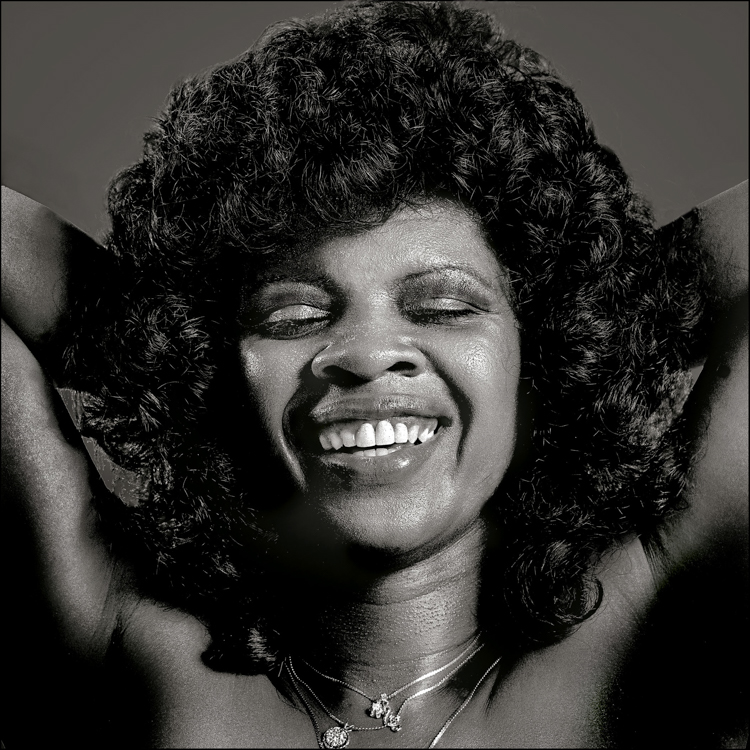
“The Soul Queen of New Orleans” is the title earned long ago in a singing career of many ups and downs in its mountain of glory. Irma Thomas has a strikingly rich velvet voice, to which age seems to have had no adverse effects. She still performs and sings gospel in her small church choir on most Sundays, something she has done since she was a little girl. Irma recorded legendary songs like “Time is on My Side,” which soon after became one of the Stones first big hits. The list goes on for sixty years and fast forward to the recent Netflix “Black Mirror” series that showed some respect for her catalog of gems. Irma Thomas has played the long game in the treacherous industry of music and she’s still here. She’s confident and straightforward for our first photoshoot. We shoot all the ubiquitous poses for an album cover and it’s a stock performance. The atmosphere shifts for a few moments and there is a younger woman standing in front of the camera. The playful and vulnerable girl you have envisioned from the many songs of pain and heartache sung bu “The Queen of Soul.” A fleeting few rolls of film run through the camera and it’s over. Irma Thomas is older now, but the young girl buried in all of the heartfelt songs has not been bothered by the numbers on the calendar. She stayed the course.
Johnny Adams
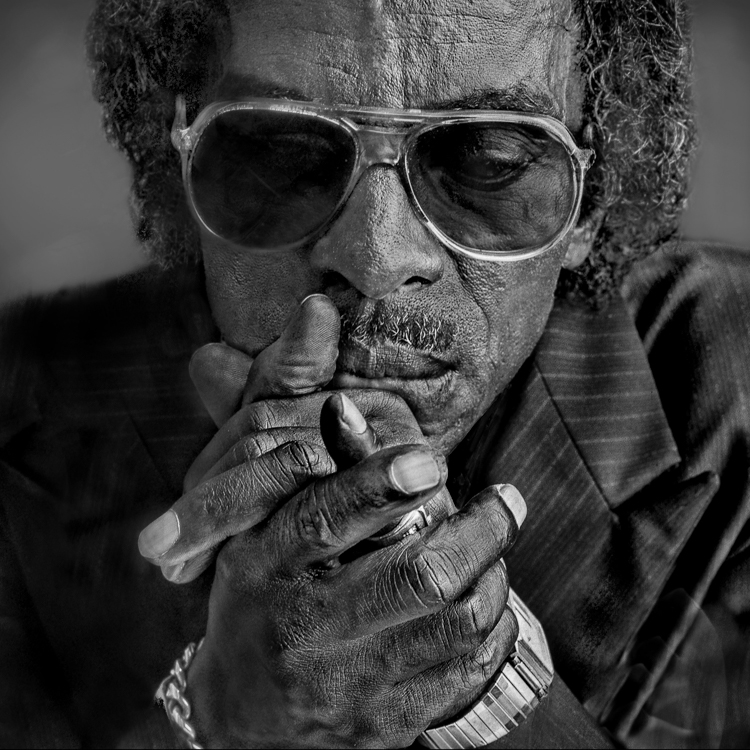
Known as the “Tan Canary” because he had possessed an incredible multi-octave singing voice that was coupled with swooping mannerisms and falsettos, he was truly a singers singer with a God given voice and the talent to make you feel every word. Johnny never removed his sunglasses day or night because he had lost sight in a damaged eye. To see and hear one of Johnny’s late-night performances at Dorothy’s Medallion Lounge was always pure gold. Dorothy’s Lounge had the bonus attraction of showcasing some very Rubenesque ladies clad in bikinis and dancing suggestively in a cage next to the stage. This portrait was shot for one of several album covers I did with Adams for Rounder Records.
Kermit Ruffins
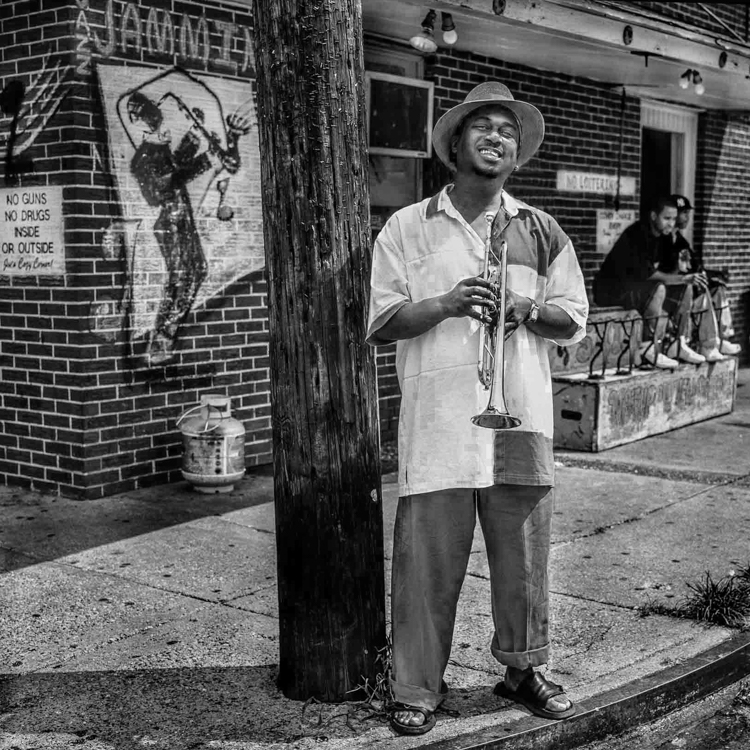
Trumpeter Kermit Ruffins takes his playing style from his hero Louis Armstrong. Ruffins owns Kermit’s Treme Mother in Law Lounge where he regularly performs. The bar that was originally owned by Ernie K. Doe, is a hot spot for New Orleans music lovers. Bold murals on the exterior and the interior furnished in what many describe as a somewhat garish decor make it one of the city’s favorite spots. Ruffins is a consummate entertainer and in his early years he was also known for his BBQ. He played a regular weekly gig at Vaughan’s with his band The BBQ Swingers where he would set up a smoker in front of the venue and serve his famous ribs.
Kid Sheik
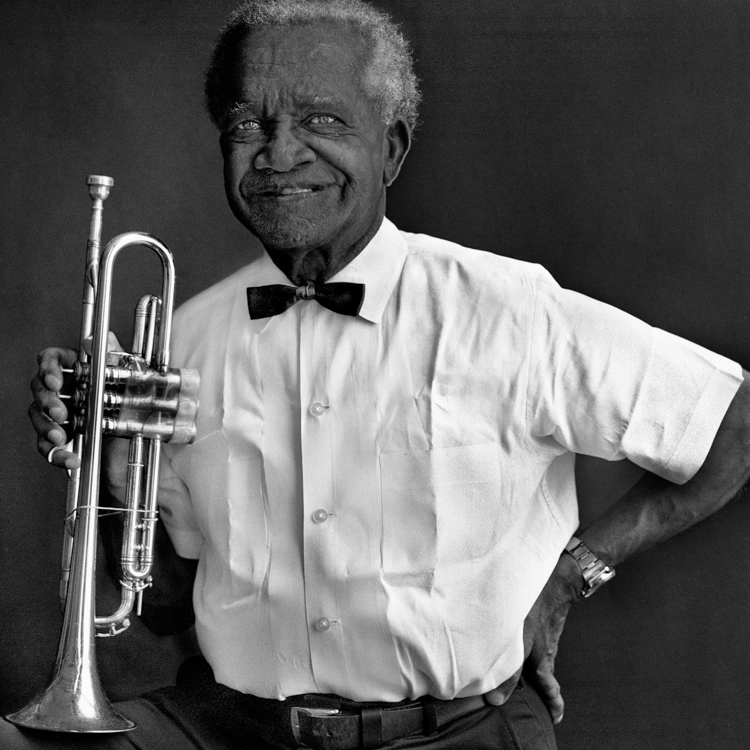
When you meet Kid Sheik you already know he’s a horn man. The giveaway is that distorted area of his mouth where his lips have met up with a hard metal mouthpiece daily for over 70 years of play. It takes a helluva lot of forced air to make a trumpet talk and over Sheik’s lips have given way to a new shape and it has taken the pigment along for the ride. His beautiful green eyes still sparkle and this cat has a wonderful nature. He’s quiet and always innocently smiling. When he doesn’t have a trumpet in his hand you can find a slow burning cigar jammed into a burnt plastic orange holder in it’s place. Sheik has been playing since he was a kid and he is among the last of a generation of old timers in New Orleans that have played a lifetime of Dixieland and traditional New Orleans style jazz because as he states, “There weren’t no other kind of music.” Sheik has recorded and played with all of the right people along the way and one aptly titled album “The Sheik of Araby” was recorded with his own band, The Storyville Stompers. The ever-humble Sheik, who got his nickname as a teenage for being well dressed, had a coveted coverboy moment when he was featured on the 1990 New Orleans Jazz & Heritage Festival Poster. On our particular shoot in 1985, Sheik had just gotten married to his longtime girlfriend and piano player, Sadie Goodson. The man is pretty happy because he claims, “She’s still got it.” Unfortunately, Sheik would have a stroke-like episode on this day in the studio. When we finally got him revived he says he doesn’t need medical because it’s just the “sugars” and then he immediately asks, “You got all the pictures?”
Lionel Ferbos
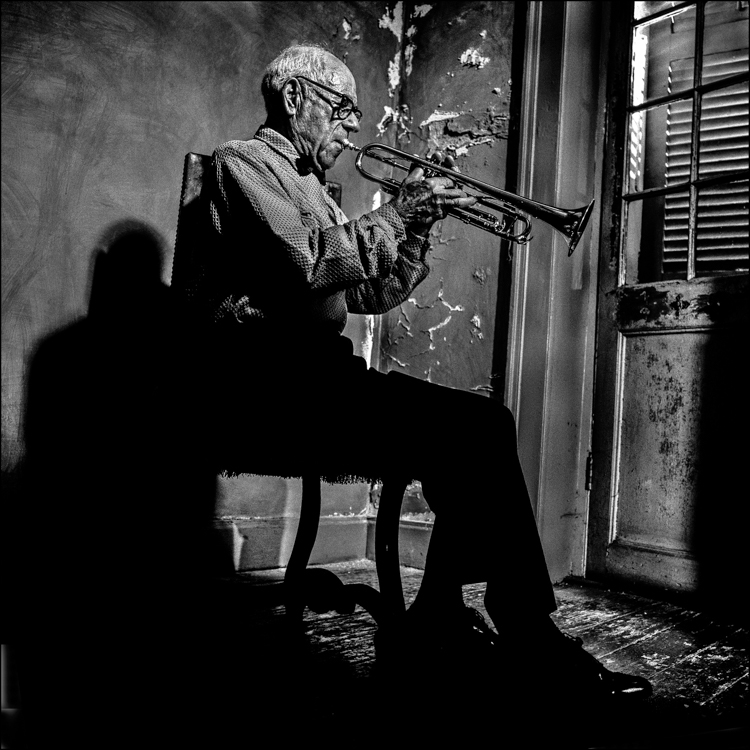
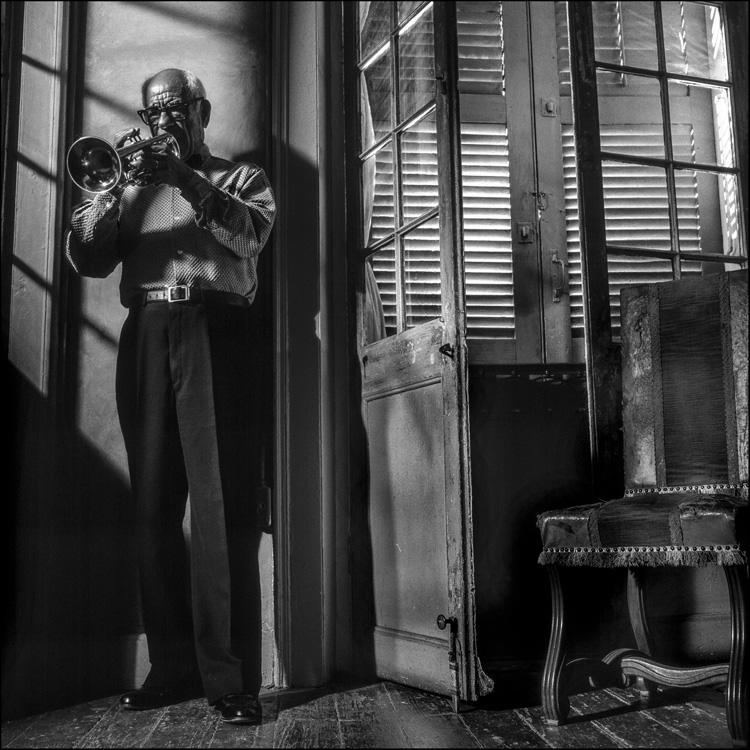
Lionel Ferbos was a self described “melody man.” When he passed away at the age of 103 years old, he was the oldest working jazz musician in New Orleans. Ferbos was still playing a regular weekly gig at the Palm Court Jazz Cafe until he grew too weak to hold his trumpet. Not a bad run for an asthmatic kid born in the Creole 7th Ward of New Orleans that was warned by his doctor that he shouldn’t ever attempt to play a wind instrument. At fifteen, guided by his affection of traditional jazz music, Ferbos brushes off his doctor’s warning and purchased a coronet from a Rampart St. pawn shop. As the saying goes, the rest was history. 87 years worth. He quickly found work in several different bands as he could read music, which was fairly uncommon in that era. Most musicians didn’t have full time work and low pay made it difficult to survive so Ferbos, like his father before him, worked as a sheet metal man or otherwise known as a “tinsmith.” He kept that job until retirement age. Lionel Ferbos was an elegant man, a throwback who never wanted the spotlight on or off stage. He played an enormous amount of gigs through his lifetime and never stopped honing his skills. In fact, when this photograph was taken, the eighty some odd year old musician was very patient but when the time started to stretch, he left me know that he, “would be needing to get on home pretty soon to practice.” At first I thought he was kidding, but Lionel Ferbos was no kidder and he was just a man out of time, a perfectionist. The “Melody Man” died in his home in 2014, two days after his 103rd birthday.
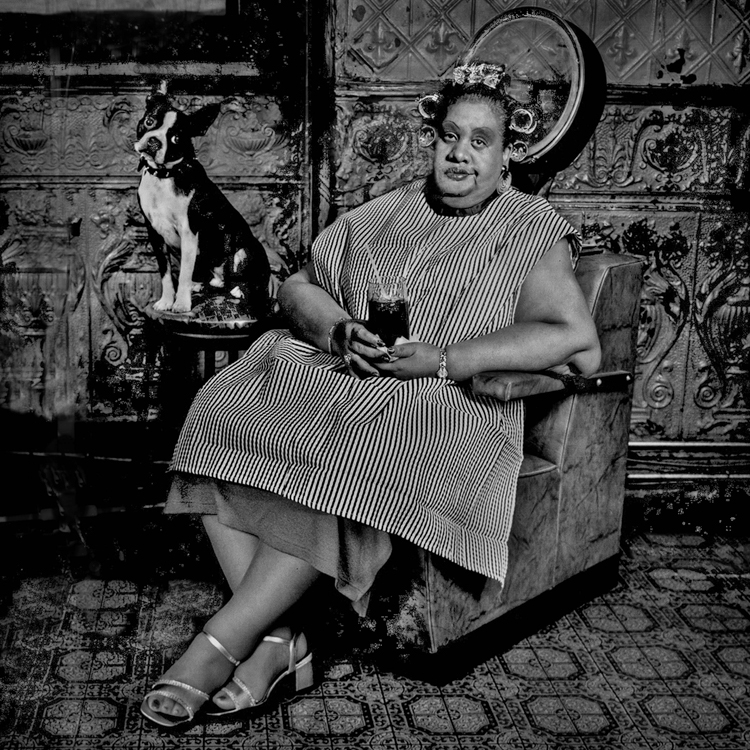
Marva Wright
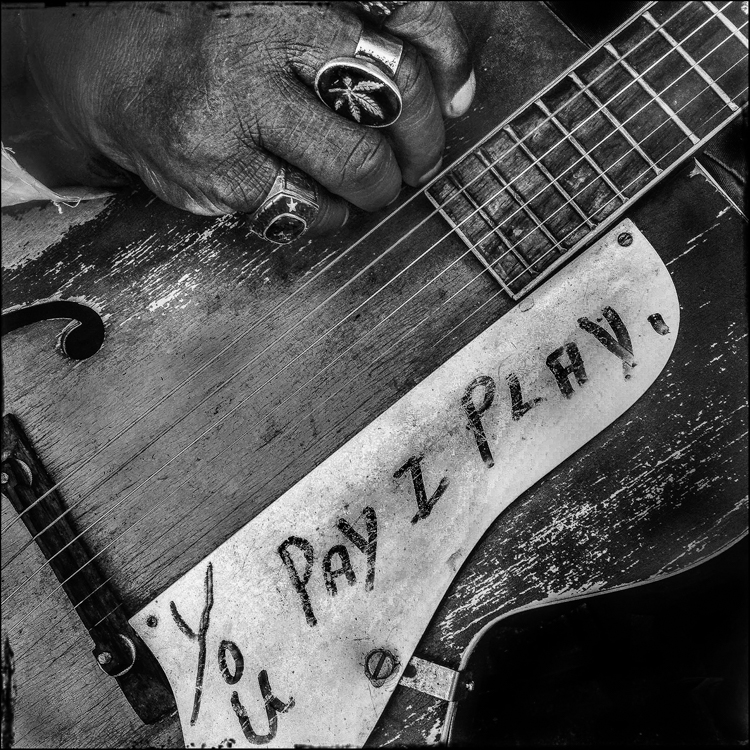
“Marvelous” Marva Wright sang in the church as a child, but was almost 40 years old and working as a high school secretary when she became a professional blues singer. Two years later Marva went on to make her first recording at Tipitina’s during a live set and later recorded an album that was picked up by the Virgin label. Marva performed regularly at Jazz Fest and in a plethora of venues in New Orleans before a pair of strokes took her prematurely from the stage and eventually led to her death in 2010. She was an incredible blues voice in the words from a great song, she was a “Heartbreakin’ Woman.”
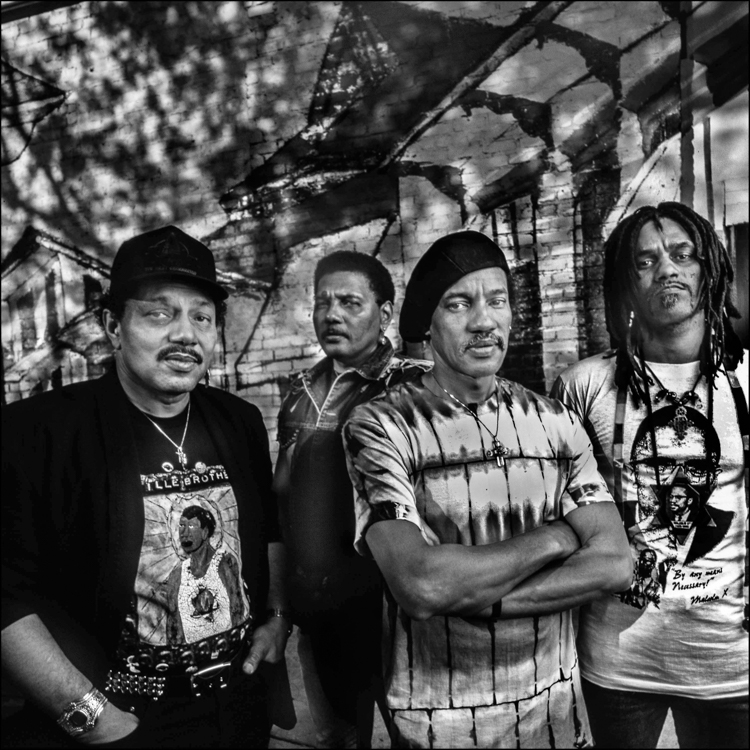
Neville Brothers
The Neville Brothers are considered to be the first family of New Orleans music. Brothers Art, Charles, Aaron and Cyril were all musicians working separately, but in 1976, they came together to take part in a a recording session of the Wild Tchoupitoulas, a Mardi Gras Indian Group led by their uncle, Big Chief Jolly. During that session an idea was born to for the Neville Brothers and the rest is history. They released their first album in 1978 and for almost forty years they dominated the New Orleans music scene.
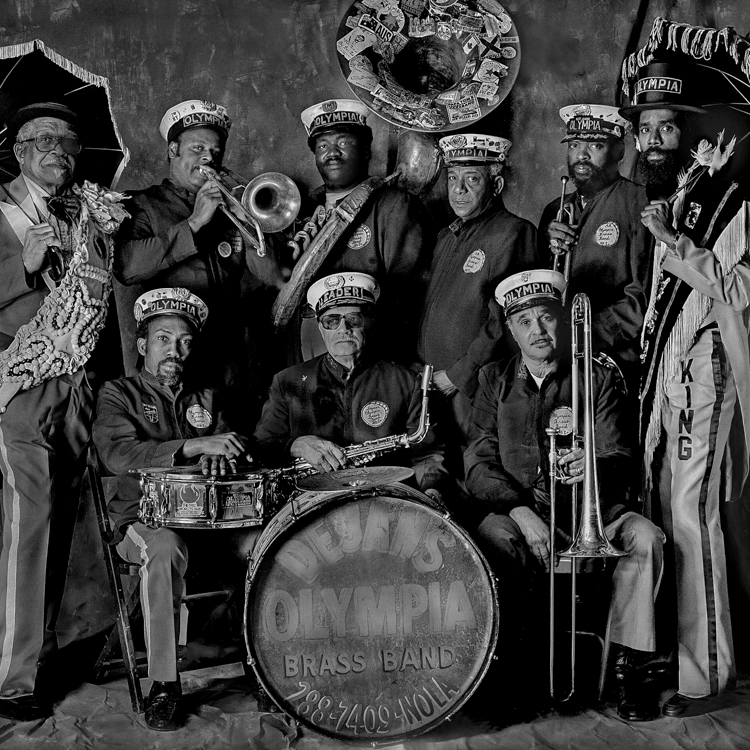
Olympia Brass Band
The original Olympia Brass Band was formed in 1883 and performed until WW1. Saxophonist Harold “Duke” Dejean (seated in the center of the group) reformed Olympia in 1958 and became its leader. Milton Batiste holding his trumpet, became the second leader. This portrait was taken in 1983 exactly 100 years after the group first formed. Olympia recorded several albums and toured the world. Over the years, many famous New Orleans musicians were members of this legendary band.
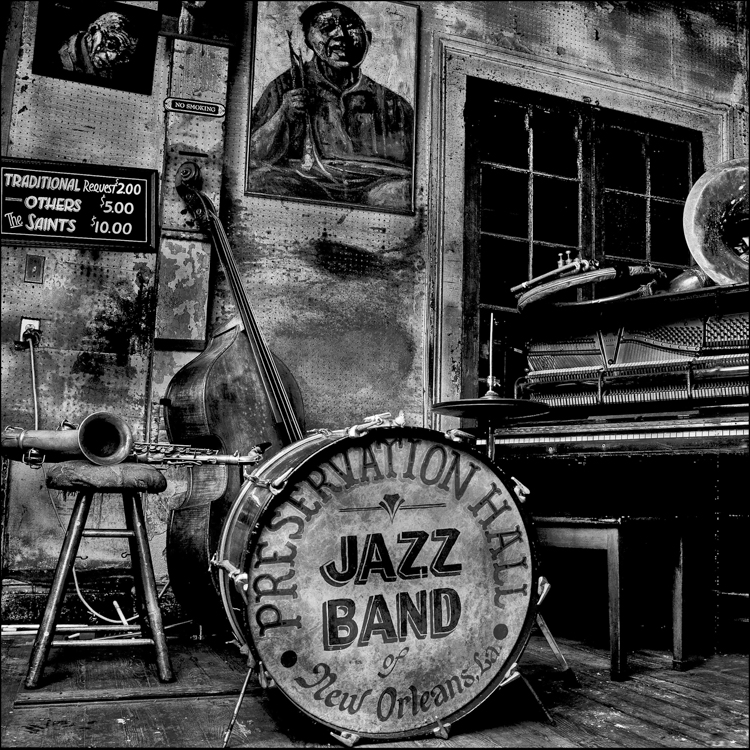
Preservation Hall
Preservation Hall opened in 1961 to showcase and preserve traditional New Orleans music. The stage and setting has remained largely untouched since it opened. Many of the greatest musicians in New Orleans played regular gigs at the hall. The Hall is home to the world renowned Preservation Hall Band and it is directed by owner Benjamin Jaffe. Preservation Hall is located at 726 St. Peter Street in the French Quarter and the music is live 360 nights per year.
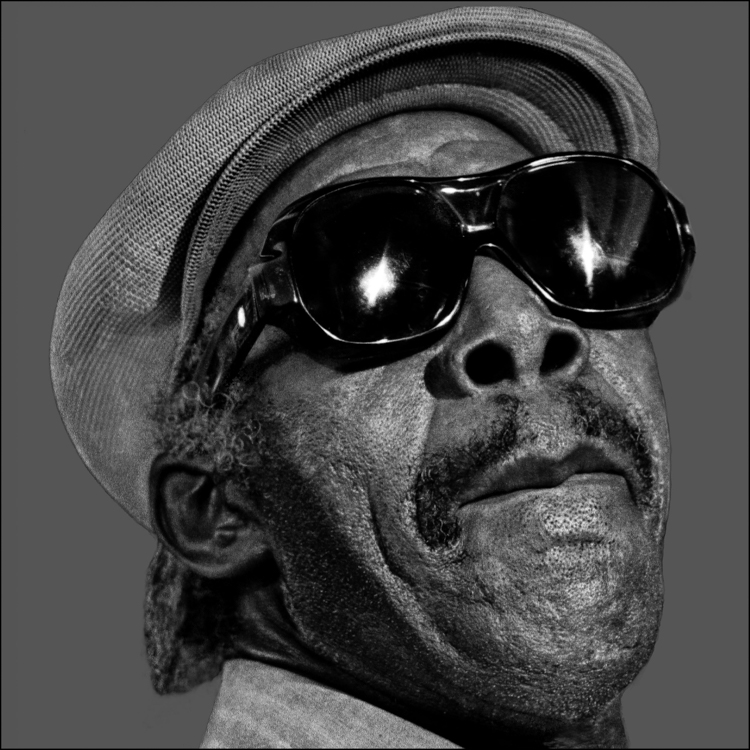
Professor Longhair
The inimitable New Orleans piano player, Henry Roeland Byrd, better known as Professor Longhair, was born on December 19. “Fess” greatly influenced musicians like Dr. John and Allen Toussaint among others. His 1953 classic recording “Tipitina” was the name adopted later for the most legendary of all music clubs in New Orleans, Tipitina’s.
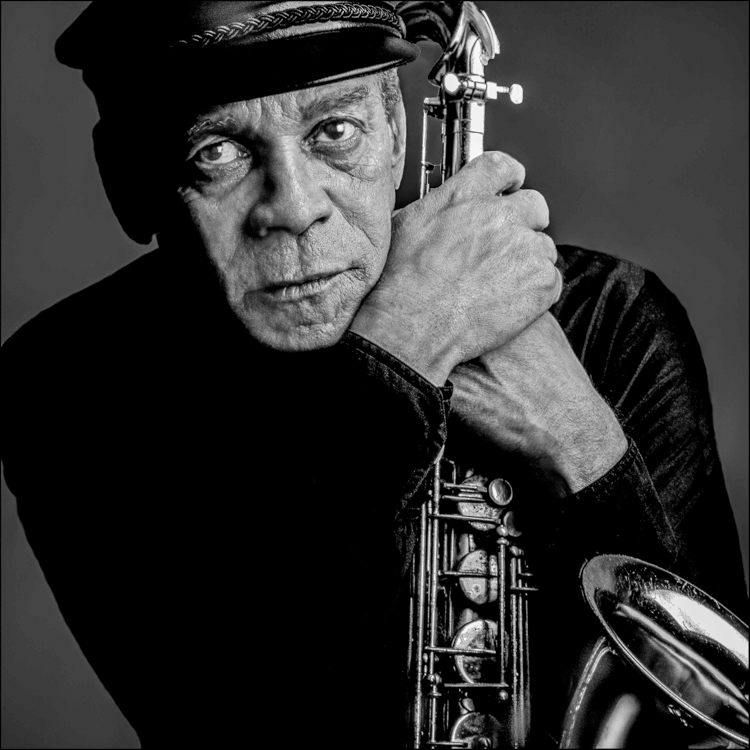
Red Tyler
Alvin “Red” Tyler was born in 1925. You may not immediately recognize his name but his saxophone work is an indelible part of New Orleans musical recording history. Red can be heard on a multitude of hits from Fats Domino to Little Richard and he was not only a brilliant saxophonist but an arranger and band leader who co-founded Parlo Records in 1966, the first African American collectively owned music label. This portrait of Red was shot for his 1986 jazz album “Graciously,” which he recorded with an all-star cast of New Orleans musicians for Rounder Records. One of the coldest cats to blow a horn, Alvin “Red” Tyler remains one of the most important figures in New Orleans R&B. He died in his home in 1998.
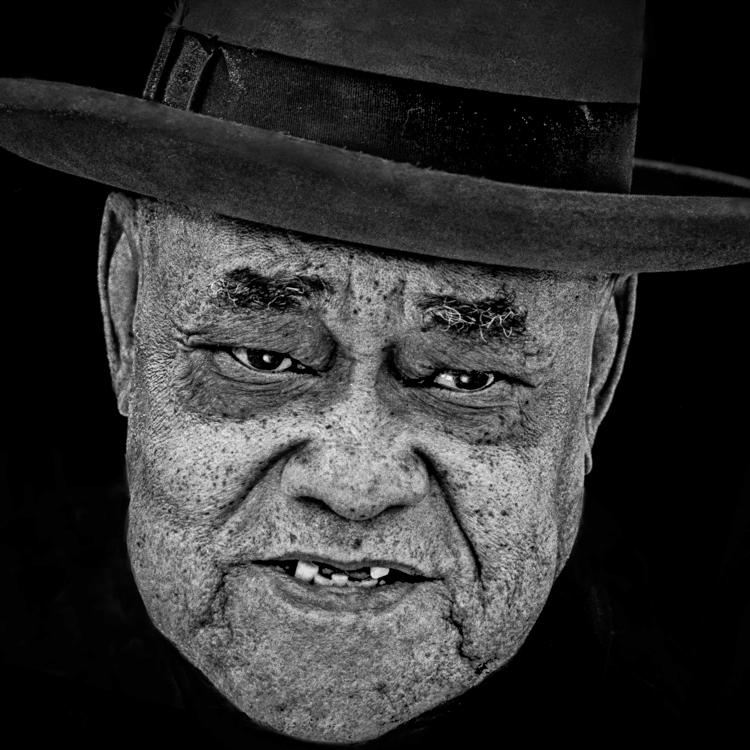
Roosevelt “The Honeydripper” Sykes
“The Honeydripper” smiles as he releases a voluminous amount of smoke from the stogie that is clenched between a few of the worn pegs that were once his teeth. That’s the nickname given long ago to Roosevelt Sykes, a veritable master of blues piano and he’s worn it well for seventy-seven years of hard living. “44 Blues” was the Dripper’s first hit way back in 1929 and he’s made it through a couple of lifetimes riding freight trains, playing in barrel houses, juke joints, gambling dens and all the best places filled with sin. I am quickly trying to shoot a portrait of the Dripper before he goes on stage and the light is hard and unkind. Time is up and I ask him if I could come over to his house to shoot a proper portrait. He keeps the cigar in his mouth and slowly moving toward the stage he answers, “Bettah bring me about twenty-fivvvve of them U.S. American dollars.” Foolishly I procrastinate on the opportunity and just weeks later “The Honeydripper” has cause a heart attack and dies at Charity Hospital in New Orleans. A funeral is held and Roosevelt Sykes is lowered into an unmarked grave. Twenty-two years will pass before his anonymous gravesite will be marked with a stone by a good Samaritan. The Blues Hall of Fame legend, Roosevelt “The Honeydripper” Sykes finally gets his respect.
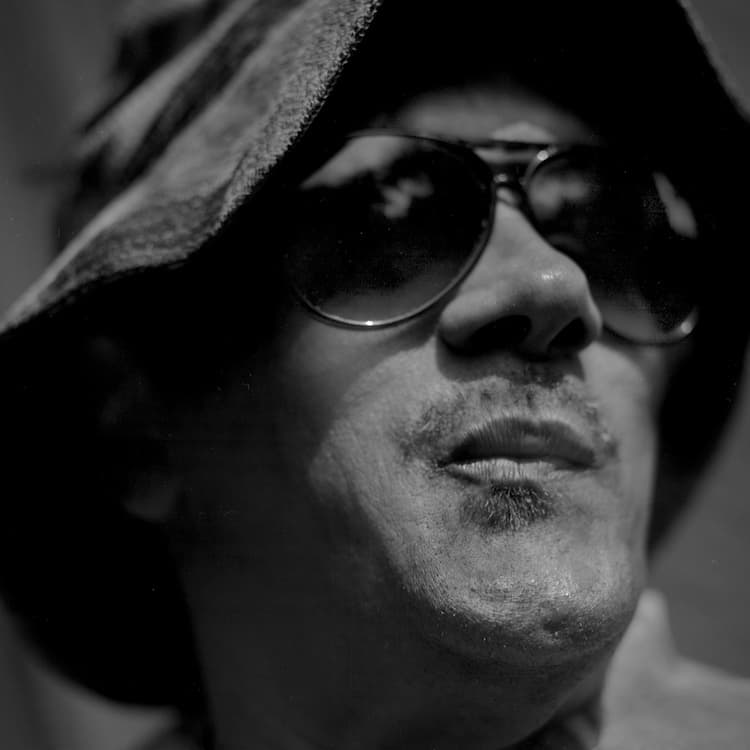
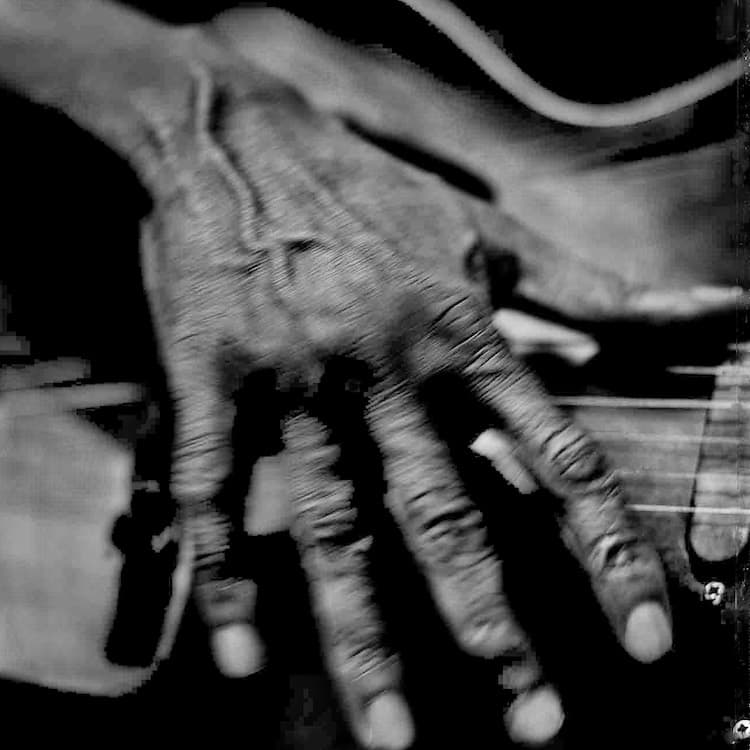
Snooks Eaglin
New Orleans blues musician Fird “Snooks” Eaglin Jr. Was a well recorded legend in the Crescent City and was known as a song savant which earned him the nickname “The Human Jukebox.” He knew more than 2500 songs and could make up a song on the spot if needed. Snooks lost his vision in childhood and learned how to play a guitar at the age of five. He first performed on the streets of New Orleans as “Blind Snooks Eaglin,” where he developed an extremely unique guitar sound. Snooks first regular gig was with the Flamingoes in 1953 which was also the first band Allen Toussaint started. Snooks claimed to have driven the band’s ‘49 Studebaker back home one night after a gin-soaked gig left the rest of the band too hammered to get behind the wheel. As Snooks insisted, “That’s a true story, baby.”
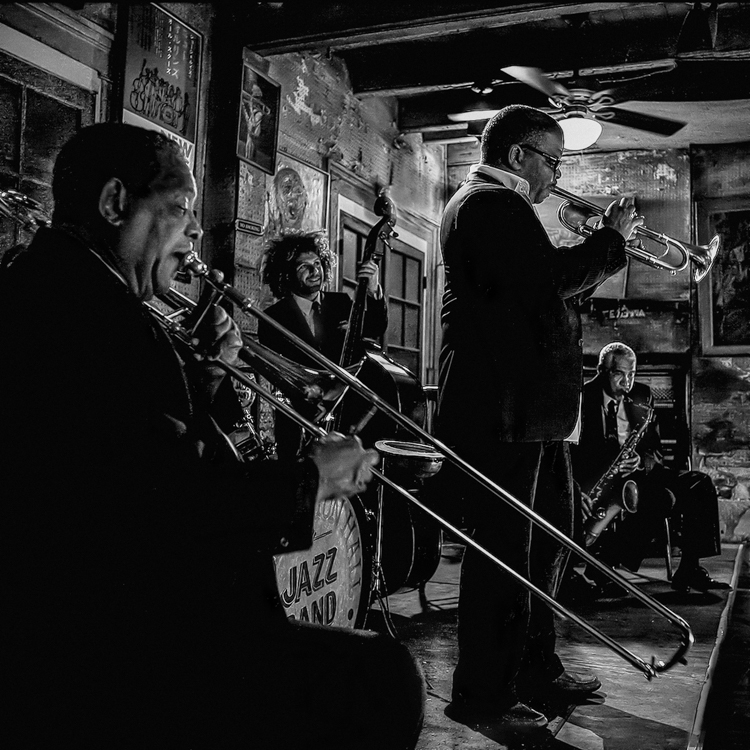
Terrence Blanchard
Terrence Blanchard is a multi-Grammy winning New Orleans trumpet virtuoso extraordinaire. Blanchard’s contributions to the world of jazz are too numerous to include, but here are a few. He has twenty-one critically acclaimed albums. He is the artistic director of The Thelonious Monk Institute of Jazz at UCLA and has scored many films for Spike Lee among others. Blanchard’s opera “Fire Shut Up in My Bones” was the first opera by a black composer for the Metropolitan Opera of New York in its 138 year history. The accolades go on and on but not only is Terrence Blanchard a genius, he is a fantastic human being that generously shares his talent with others and a pleasure to photograph.
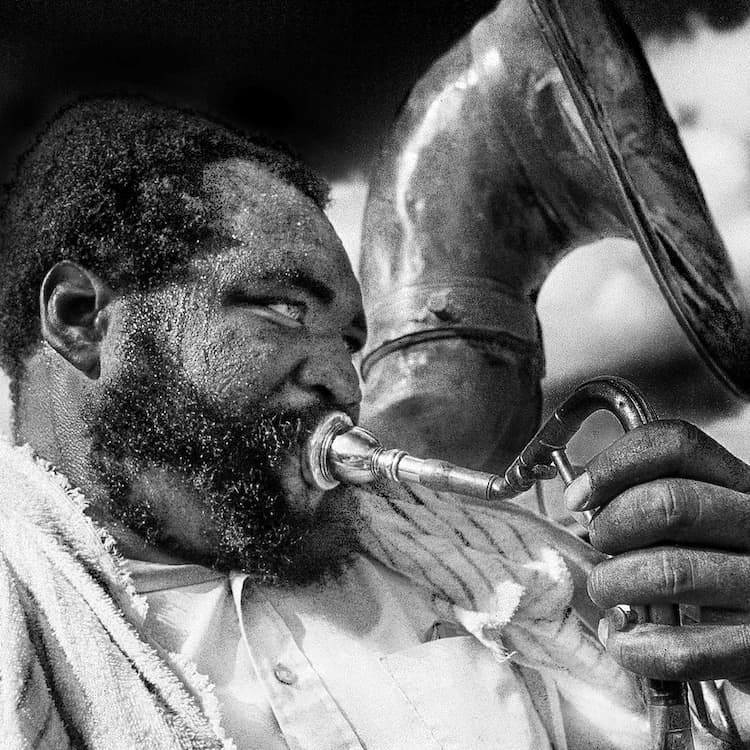
Tuba Fats
Tuba Fats is coming down the street and he is bellowing through a large beat-up tuba perched on his massive frame that looks like it has been through several battles. Fats is a New Orleans musical legend and today he is a hired gun for the Olympia Brass Band. It’s been a long funeral parade march and the New Orleans heat is exacting it’s pound of flesh, but to Fats it’s all part of the job. He is sweating profusely but this larger-than-life character has just soldiered his 300lb frame for a few celebratory miles and the dogs are barking. Fats is tired but still upbeat and quickly brandishes his trademark broad gap-toothed smile. Next up is a light. Fats loves his weed and has resorted to its medicinal values on the daily since he was young. He would laugh heartily when he was called a mugglehead. I will see Fats countless times over the next 25 years from playing funeral gigs to playing for “tips only” in Jackson Sqaure with his band “The Chosen Few.” Fats was a fixture and seemingly he would always be around, but in January 2004 he would make the headlines. Tuba Fats had caught a heart attack. He was only 53 years old, and it was painful news that one of the coolest men to ever hold a horn was dead and gone. Tuba Fats was celebrated in death with one of the biggest jazz funerals to ever assemble in New Orleans. The music community and half of town poured their respects into the streets of New Orleans to deliver a well-deserved send-off for one of their finest.
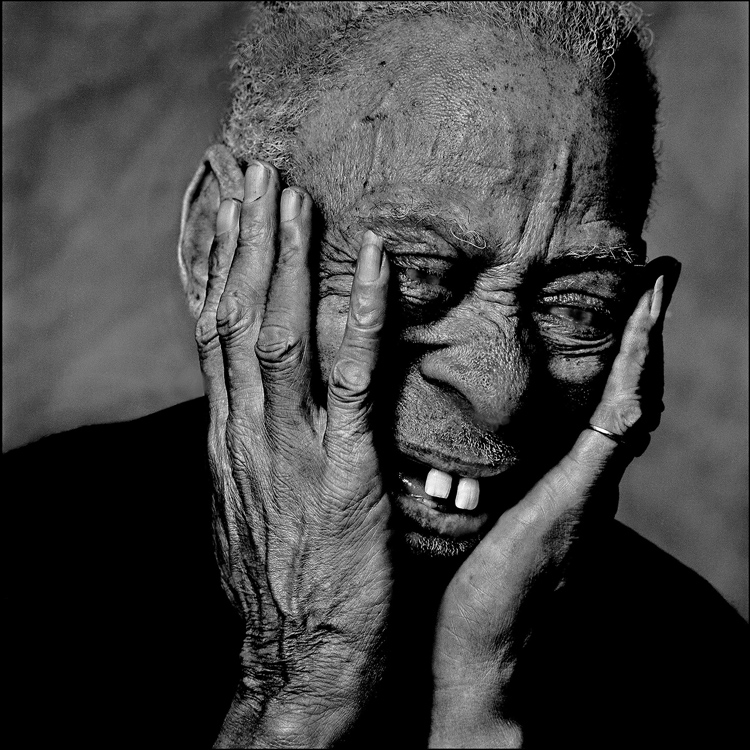
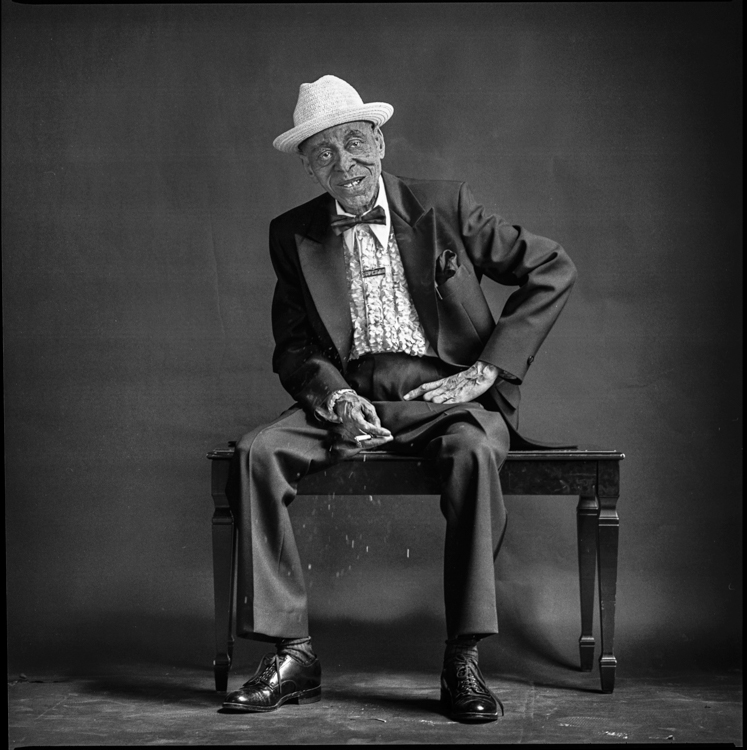
Tuts Washington
One of the greatest of New Orleans’ piano professors, Isidore “Tuts” Washington was born in 1907. Tuts was an amazing blues pianist and he was also quite an eccentric man. My first interaction with Tuts was when I visited his home to shoot some portraits for his upcoming album cover for Rounder Records. It all started out well was Tuts was getting dressed in his bedroom for his debut while I set up lighting in his very small living room. When the always dapper Tuts walks into the room be absolutely loses his cool cat composure when he sees the brightly illuminated light box. His eyes are bulging as he walks around the lighting with arms stretched outward and the palms of his hands held high. He keeps repeating himself, “You fixin’ to burn up all of my electricity and who’s gonna pay for it?” While I assure him that the lighting will not alter his bill whatsoever, he makes a call to the local Musician’s Union Hall to get things straightened out. I don’t know exactly what he was told but the conversation calmed him enough to be photographed. The beautiful skeptical light of piano great Tuts Washington was extinguished on stage at the World’s Fair in 1984 when he died of a heart attack seated at the piano.
This image of Tuts was for the cover of his “debut” album at the age of 76. Tuts had a great mistrust of others handling his music so he was wary of anyone recording his songs throughout his long career. Tuts has a story about every damn thing and he loved to tell tales. Not only was he a magnificent musician (just ask him), but according to Tuts, he was also God’s gift to women. Sadly, Tuts wouldn’t enjoy the fame of his new album for long as he would pass the following year while preparing to play one of his many gigs at the New Orleans World’s Fair. Tuts was on stage that evening, seated at the piano with his tactile fingers on the keys. As he was being introduced to the audience, Tuts suddenly slumped forward without ever playing a note.
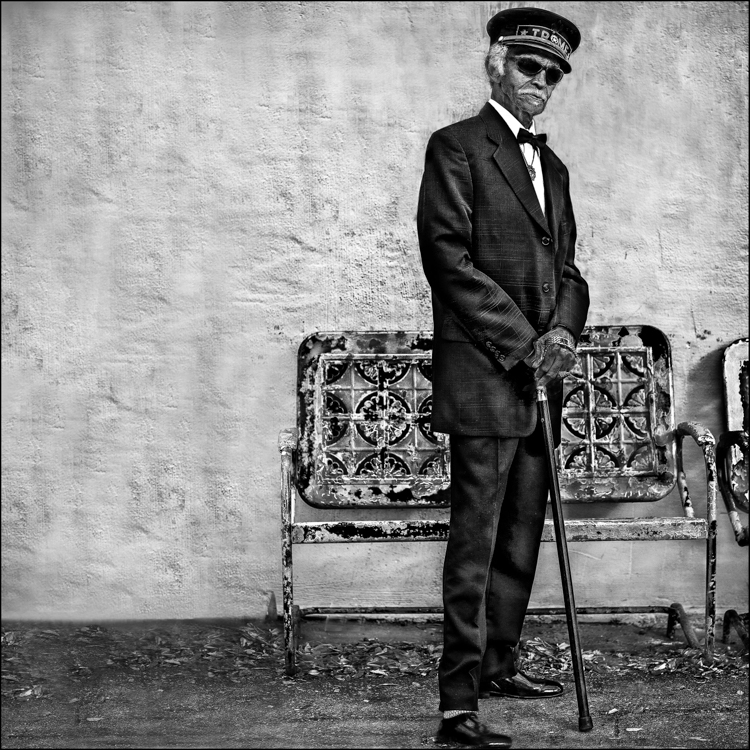
Uncle Lionel Batiste
It’s almost noon when he opens the door and the trademark smile reveals the inner beauty of the man. We embrace in the “you’re my brother buh” and his back feels like thin fabric stretched over an armature frame. Uncle Lionel is 81 years old now and has been feeling a bit poorly ever since he caught the cancer. Standing in big boxer shorts, his spindly legs look like they are on loan from a fake rubber spider. Uncle has to get his look on before we hit the street and the man is pure homegrown style. A favorite piece in his sartorial puzzle is the gold-plated watch that is pulled down to the top of his hand for dramatic exhibition. The cheap band looks to be an original metal Spiedel, advertised to flex and stretch to any size, will pinch the hell out your skin when you adjust the fit. I am in pursuit of a few portraits on our street walkabout and as usual Uncle brings all the fun. He finds the good in everything (especially women) and that radiance is reflected back to him with constant verbal recognition from locals we see today. Yep, he’s a celebrity in these New Orleans streets where for 70 years now he has been posing, strutting, singing, playing kazoo and banging bass drums for notorious brass bands like The Dirty Dozen and Treme in countless second line parades and funerals. Uncle is sicker than he lets on and a few months later the verdict arrives. Before he is properly funeralized and feted with his own jazz funeral, the morticians of a well-known funeral home in Treme have performed a miracle of taxidermy. Uncle Lionel has been stuffed and placed in a standing upright position leaning on a phony street lamp in splendid repose. Uncle’s realistic transformation has him looking like one of Madame Tussauds wax creations, but this is definitely a stranger than fiction version. The watch is placed in situ and it’s a perfect ending for Uncle. Proof again that few ever voluntarily leave New Orleans.
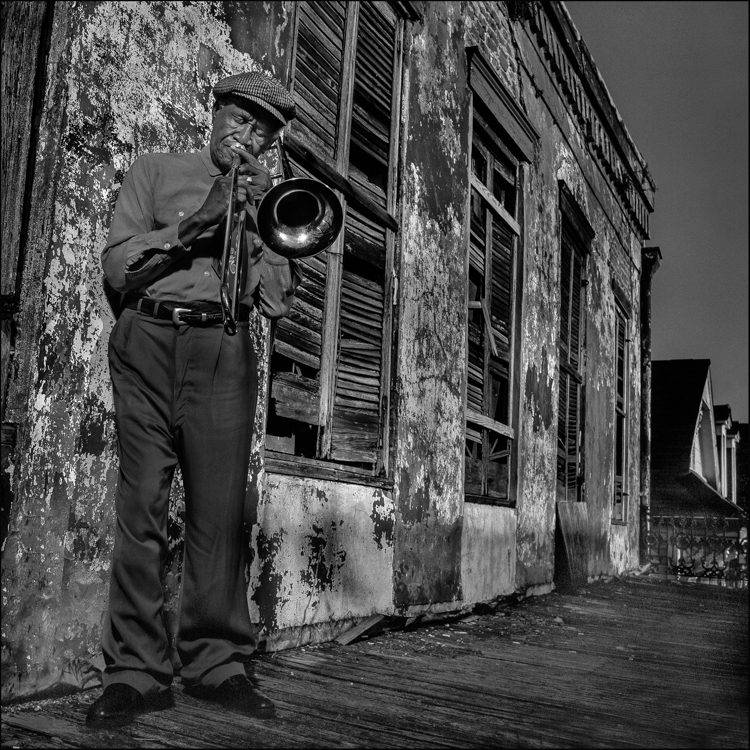
Waldren “Frog” Joseph
The stairs were never easy but at almost 80 years old now it might as well be Everest. We are headed upstairs to an old Fauborg balcony that has all the right patina of a decaying New Orleans. The man with the horn has come to play and no stairs are going to stop him. Trombonist Joseph “Frog” Waldren was born September 13, 1918, and at thirteen months old he was afflicted with infant polio. As a result, his legs would need to be supported throughout his lifetime by calipers. It wasn’t an easy road with his affliction, but Frog was not one to complain. He makes it to the balcony and is ready for his close-up. Frog was born to a large family of New Orleans musicians who taught him as a child to play several instruments including piano and the drums. He loved drums, but as a teenager he found a gift for the trombone, and it seemed to be the best choice for him given his disability. Right out of the gate, Frog was hired to play a regular gig on an excursion boat that sailed the waters of Lake Pontchartrain. The future was bright and Frog would spend his entire lifetime playing, touring and recording with a multitude of big name bands and hit makers. He was one of the many musicians that played an important part in the cultural history of New Orleans music. In his last years of performing, Frog finished his career with the Original Camellia Jazz Band, performing at lots of brunches. Throughout his journey, Frog was known for keeping the melody and it was this trademark style that kept him in demand. He stayed the long course and in 2004 at 86 years old, and after a lifetime of devoted musical service, Frog went on home. Frog’s legacy includes two of his sons, trombonist Charles, and sousaphonist Kirk, who were founding members of the Dirty Dozen Brass Band.
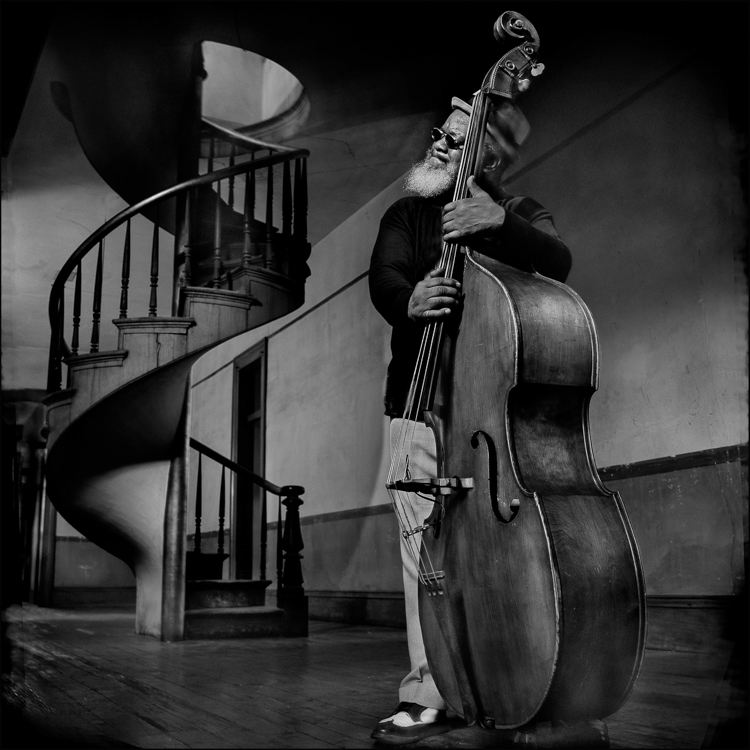
Walter Payton
Immediately you notice the size of his fingers. They are attached to a powerful oversized hand that has spent a lifetime pulling on the thick strings of an upright bass. It was the instrument that Walter Payton most loved to play. The shape of the upright reminded him of a woman’s figure and married four times, he might have liked both forms equally. As far back as 1965, Walter Payton played anchor to the Preservation Hall Jazz Band and performed with them for years until he suffered a stroke in 2010 while on tour with the band. Payton grew up in New Orleans and graduated from Xavier University with a degree in music education. He went on to play in many New Orleans bands and was a demanding music teacher for 25 years at McDonough 15 in the French Quarter. Payton’s achievements as a musician and teacher go on and on. He loved his craft. Worth mentioning is his killer bass work on early hits like Lee Dorsey’s “Working in a Coal Mine” and Aaron Neville’s “Tell it Like it Is” among many others. Payton always worked hard as a musician but the touch as nails black belt karate master would be no match against the stroke in early 2010 that would take him away from his passion. He never fully recovered and would pass later that year at the age of 68. Payton left an indelible mark on New Orleans music and his legacy includes a son, the Grammy winning trumpeter Nicholas Payton.
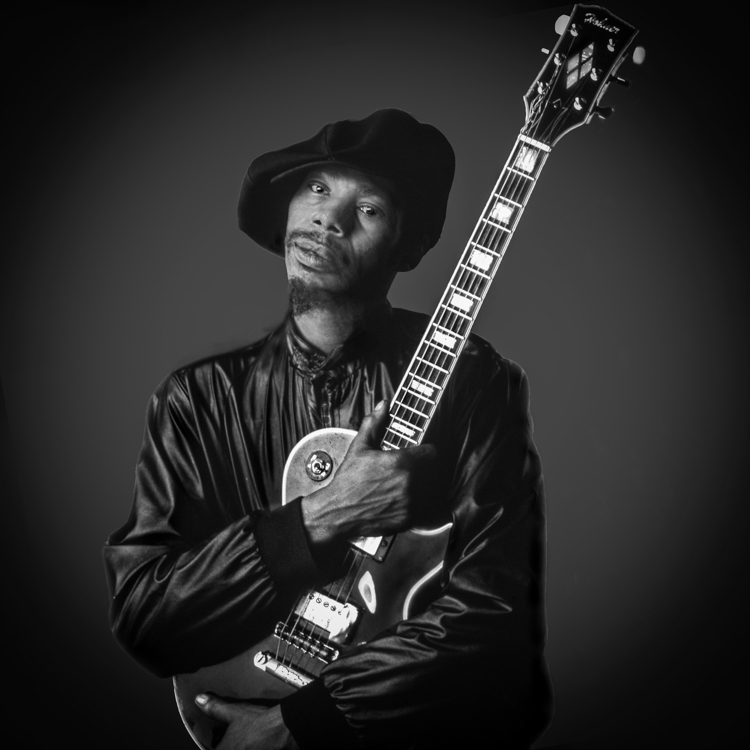
Walter “Wolfman” Washington
Walter “Wolfman” Washington started playing with Lee Dorsey in his teens, and years later formed his own touring band, The Roadmasters. This image was taken for his first three albums on the Rounder Records label.
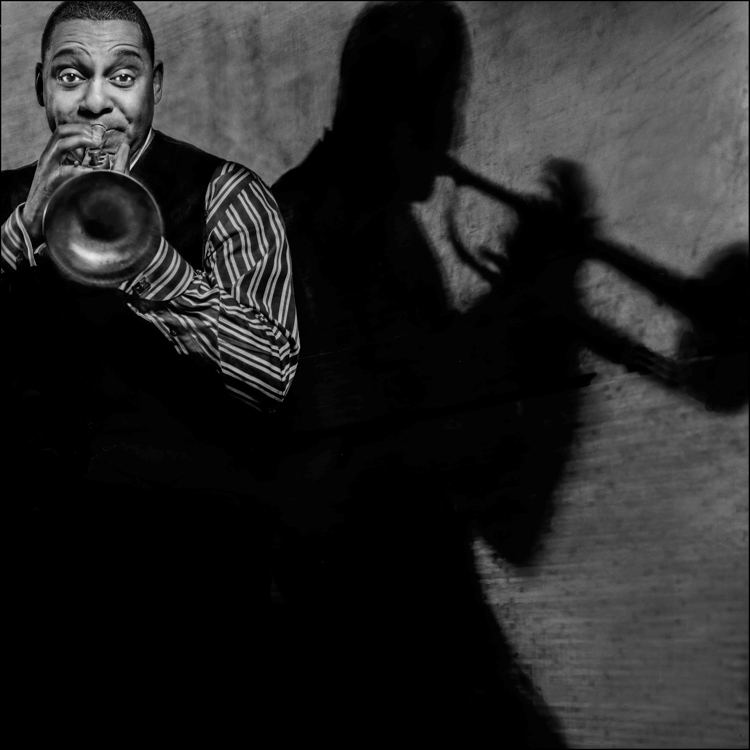
Wynton Marsalis
Wynton Marsalis is one of the greatest composers and trumpeters in modern Jazz history. The New Orleans musician has earned nine Grammys and a Pulitzer Prize along the way along with a multitude of accolades for his contributions to Jazz. This image was shot in NYC circa 1999 for Wynton’s “Standard Tim Vol. 6 Mr. Jelly Lord” album.